

Introduction
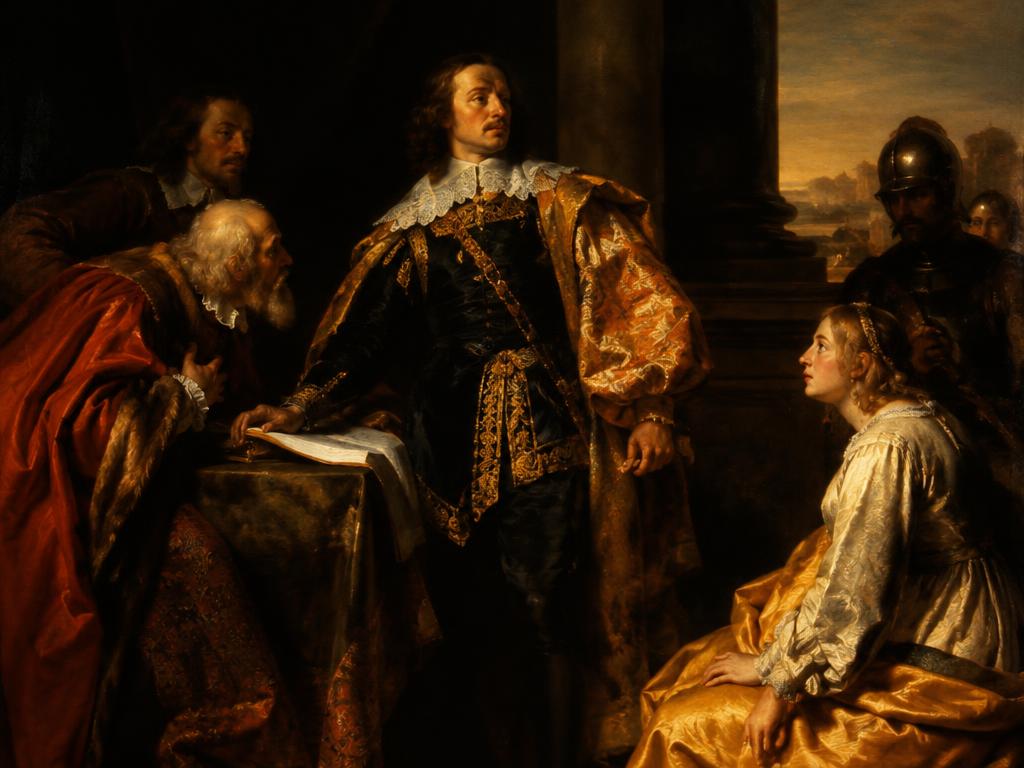
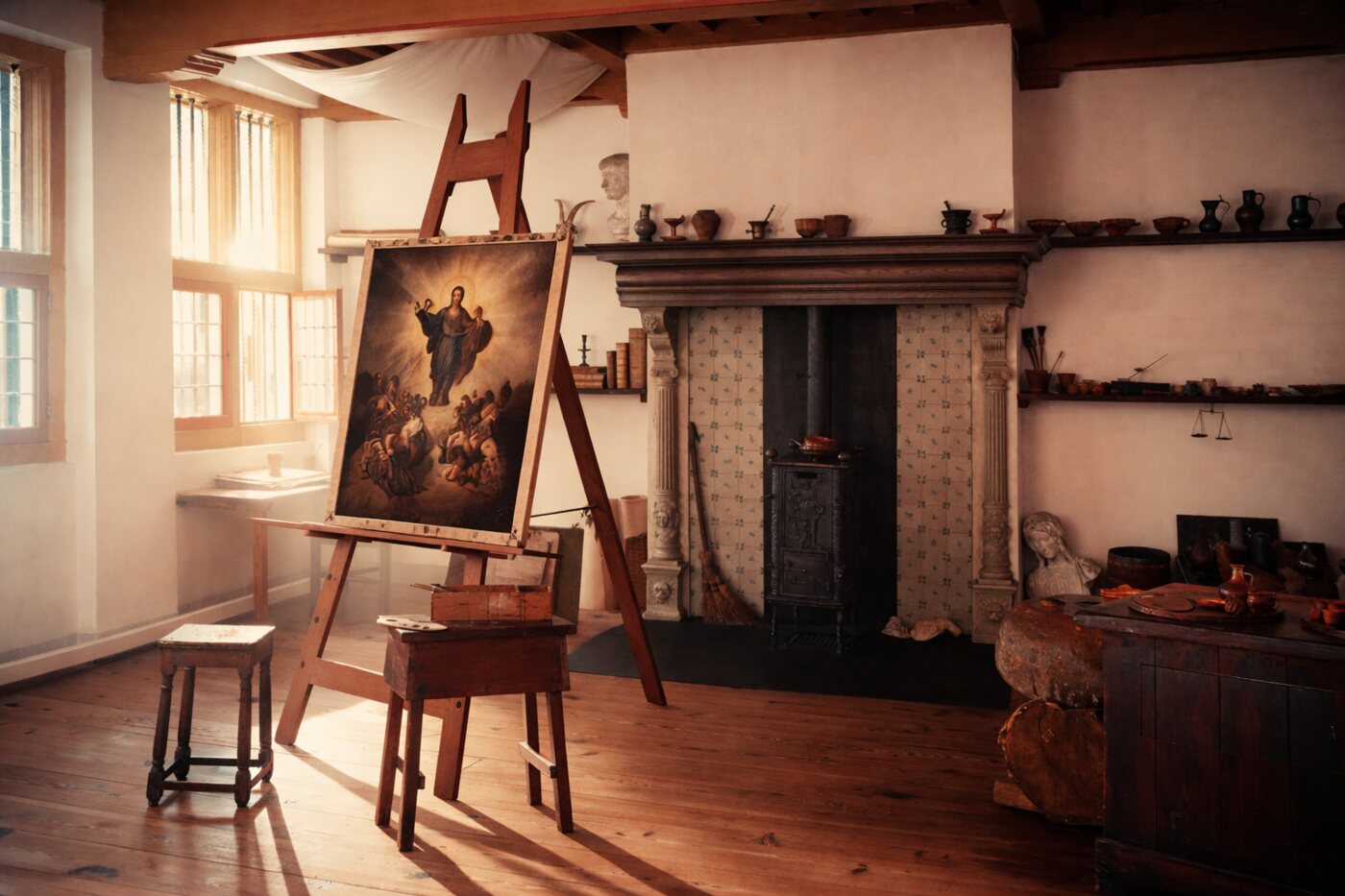
In the seventeenth century, the history painting was considered the most prestigious genre in the art of painting. A history painting depicts a prominent narrative, such as scenes from the Bible, mythology, or literature. It developed into the most technically and intellectually demanding genre in painting, often characterised by a large format and multiple figures displaying drama and emotion.1 Artists positioned themselves not only locally, but within an international tradition of authoritative examples, particularly from Italy and Flanders. This form of artistic competition, often referred to as the paragone debate, played a significant role in the development of the history painting in Northern Europe.2 Within the paragone, the superiority of different art forms is compared. This led to a competition, initially Italian but later worldwide, that strove for the highest level of achievement within the artistic world. In the Dutch Republic, this orientation was reinforced by the circulation of prints and art-theoretical texts, which gave artists access to compositions by famous masters such as Tiziano Vecellio (1488–1576), popularly known as Titian, and Peter Paul Rubens (1577–1640). It is within this context that Rembrandt van Rijn (1606–1669) positions himself with his Passion Series within the international tradition of the history painting. The Passion Series consists of five paintings in which Rembrandt depicts the Passion of Christ in separate but coherent episodes. These episodes include The Raising of the Cross, The Descent from the Cross, The Entombment, The Resurrection, and The Ascension (Fig. 1, from left to right). The series is among Rembrandt's first monumental history paintings and forms a cohesive whole in which composition, light, and emotional expression are employed to give form to the biblical narrative in a dramatic and visually compelling manner.3
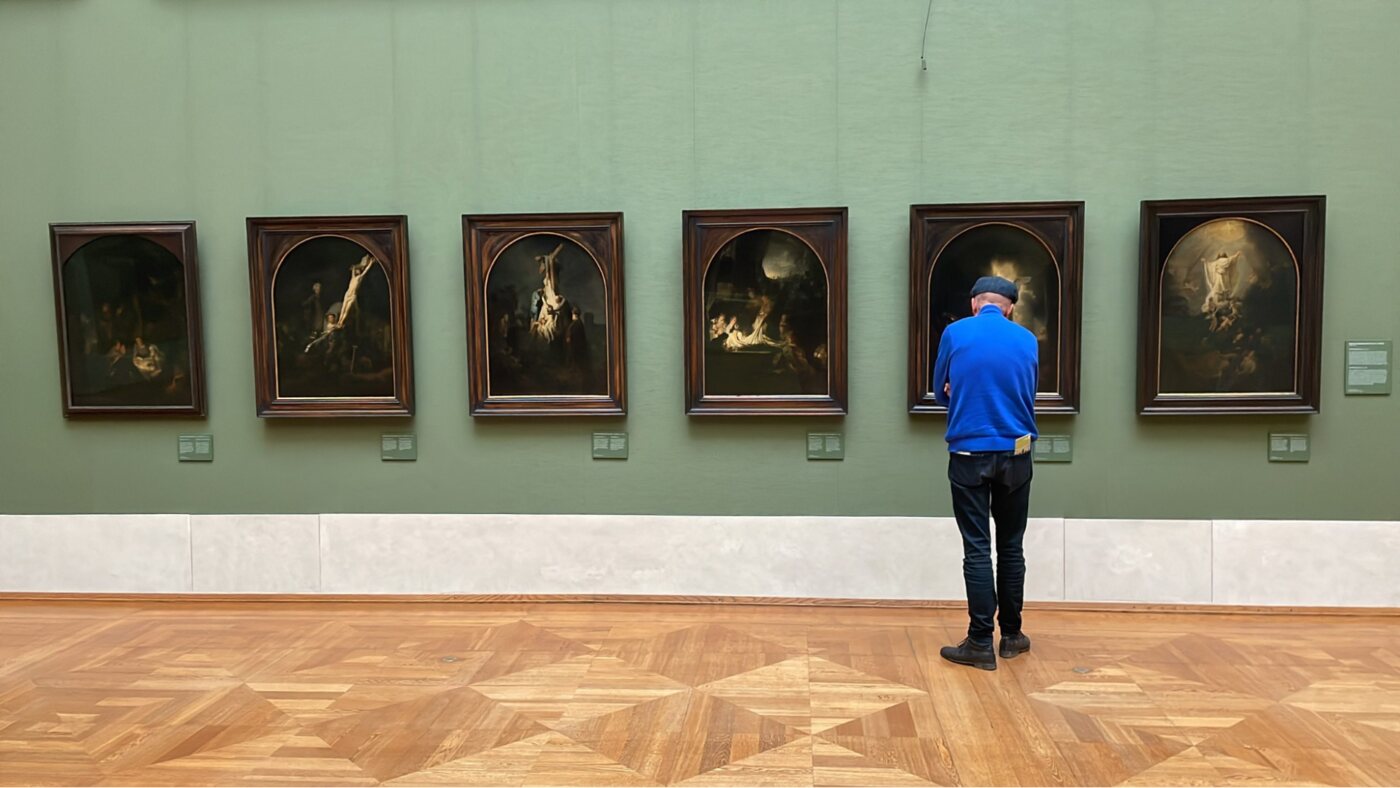
Figure 1: Rembrandt's Passion Series in the Alte Pinakothek, Munich. Photograph: Gerbrich van der Meer, November 2025.
The Passion Series was commissioned by Stadtholder Frederik Hendrik of Orange (1584–1647), with Constantijn Huygens (1596–1687) acting as an intermediary.4 Huygens had been secretary to Stadtholder Frederik Hendrik since 1625 and was one of his confidants. In addition to his administrative and diplomatic duties, he operated as an important cultural mediator and played an active role in attracting artists, including Rembrandt.5 Correspondence between Rembrandt and Huygens reveals that the paintings were executed specifically for Frederik Hendrik and were intended for presentation within the stadtholder's courtly setting.6 At a later stage, the original Passion Series was expanded with additional scenes, including The Adoration of the Shepherds (1646) and Ecce Homo (c. 1634–1636). These additions suggest that the cycle did not function as a strictly closed entity but evolved within a continuous context of commissions from the stadtholder's court. In several compositions of the Passion Series, Rembrandt indirectly responded to paintings by famous international artists in order to position himself within a broader European tradition of history painting.7 This dialogue becomes visible in the compositions, the use of light, the narrative structure, and the placement of the figures. This paper demonstrates that Rembrandt not only copied elements from existing models but also transformed them through his own approach to emotion, light, and space. Studies of the Passion Series often emphasise patronage, political significance, and the courtly context. Art-historical literature also points to Rembrandt's compositional similarities with important examples from European painting. Patronage is a form of financial and social support provided by individuals or institutions to artists for the production of artworks. In ‘The Rembrandt Documents’, Walter Strauss and Marjon van der Meulen emphasise that Rembrandt's history paintings show conscious compositional similarities with the paintings of Titian and other Italian masters.8 Svetlana Alpers also described Rembrandt as an artist who partly shaped his reputation by adapting existing compositions from established examples in European art history.9 Alpers highlights Rembrandt's strategic positioning within the art market and his ability to leverage commissions to enhance his reputation.10 In this light, the court commission can be understood as a crucial step in Rembrandt's career, through which he profiled himself as a painter of history pieces at the highest level. The commission thus contributed not only to the stadtholder's prestige but also to Rembrandt's own symbolic capital. Through art, Frederik Hendrik positioned himself as a princely figure within a republican state structure, with the Passion Series being part of this strategy of cultural legitimation.11 This research does not distinguish between the possible intentions of Rembrandt as an artist and Frederik Hendrik as a patron regarding the projection of international allure. Although correspondence between Constantijn Huygens and Rembrandt concerning the Passion commission has been preserved, this source material provides insufficient grounds for making far-reaching claims about specific artistic or political intentions. To avoid speculative interpretations, this analysis focuses primarily on the paintings themselves as historical evidence. The emphasis is on composition, visual structures, and iconographic elements, as it is precisely these formal and substantive aspects that offer insight into how the works construct meaning. The three paintings from Rembrandt's Passion Series titled The Raising of the Cross (Fig. 3), The Descent from the Cross (Fig. 7), and The Ascension (Fig. 10) are examined in relation to three influential examples from the international tradition of the history painting: Rubens’ The Raising of the Cross (Fig. 2), The Descent from the Cross (Fig. 5), and Titian’s Assumption of the Virgin (Fig. 9). The selection of these six works is based on demonstrable visual and historical relationships between the paintings. This paper argues that Rembrandt quotes and systematically restructures compositions by Rubens and Titian, thereby creating an alternative model of the history painting. Further research could focus on other works from Rembrandt's Passion Series to investigate whether similar international references also play a role there. In addition, a systematic study of prints and other graphic sources could offer more insight into the visual transmission of compositions between artists in the seventeenth century. To date, comprehensive research on the Passion Series and its international character is lacking. A limitation of this study is that it focuses on a small selection of paintings from the Passion Series and therefore cannot address all possible influences on Rembrandt's paintings. This may be a suitable subject for follow-up research in order to arrive at new findings.
The Raising of the Cross
Peter Paul Rubens’ The Raising of the Cross (Fig. 2), created for the Cathedral of Our Lady in Antwerp, is considered one of the earliest and most influential examples of the history painting.12 Art historians have interpreted this composition as a deliberate fusion of Italian influences, particularly from Michelangelo and Caravaggio, combined with Rubens’ own Baroque drama.13 The central panel of the original triptych is dominated by a powerful diagonal composition in which the cross with the body of Christ is being lifted by a group of men. This diagonal axis forms the structural centre of the painting and creates a sense of physical exertion and dynamic movement. The twisted torsos and strained postures visualise the effort and create a rhythmic play of lines that reinforces the diagonal movement of the cross. It is precisely this diagonal structure that Rembrandt would later adopt. The figures form a complex, interwoven composition that imparts a distinctly heroic character. Rubens uses overlapping figures and a layered arrangement in depth to create a sense of grandeur. The bodies form a layered whole in which the foreground, middle ground, and background are visually connected. This enhances the monumental character of the scene. At the same time, Christ himself is presented as a monumental figure who, despite his suffering, retains a certain dignity and sublimity. This composition was innovative within early seventeenth-century painting. Rubens blended Italian heroics with Flemish realism, thereby introducing the Baroque to the Netherlands.14 The use of light and colour also plays an essential role in the painting. Rubens applies a relatively bright and even light that emphasises the expressive quality of the bodies and enhances the anatomical modelling. The warm, rich colours and subtle transitions between light and shadow contribute to the monumental appearance of the figures. Although Rubens applies the contrast in colour relatively evenly, Christ is subtly accentuated as the visual and spiritual centre of the composition. Christ forms the backbone of the main diagonal line. Our eyes automatically follow the physical exertion of the executioners upwards, where they inevitably arrive at his torso. This emphasises his role as saviour and lends the painting a theological depth that goes beyond a purely narrative depiction.
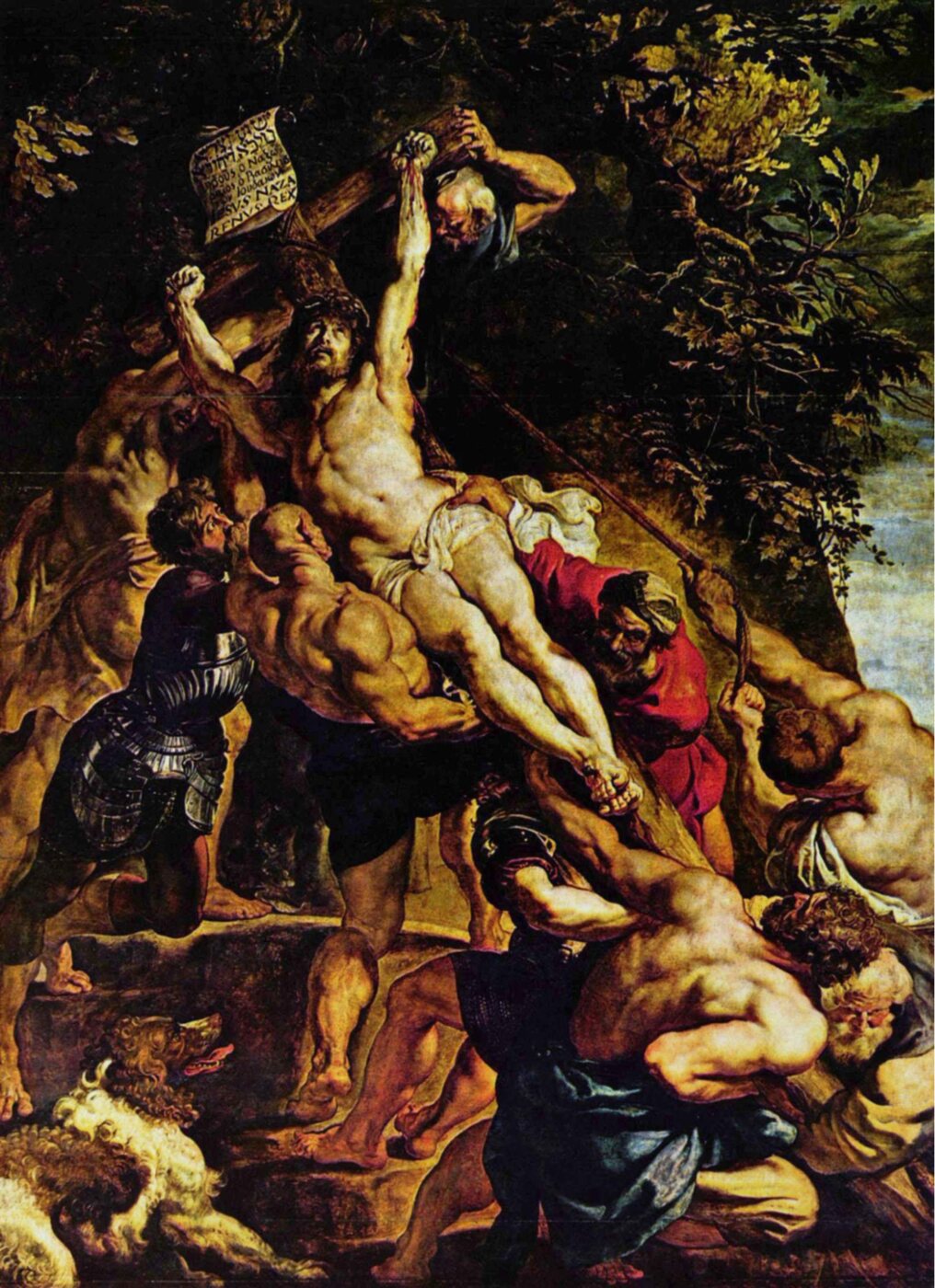
Figure 2: Peter Paul Rubens, The Raising of the Cross (central panel), 1610–1611. Oil on panel, 460 x 430 cm. Cathedral of Our Lady, Antwerp.
The international dissemination of this composition was made possible in large part by engravings after Rubens’ work. In Rubens’ workshop, prints were systematically produced to reproduce his paintings and distribute them to a European audience.15 Engravers such as Jan Witdoeck (1615–1642) created reproductions of Rubens’ paintings, making the composition accessible to artists outside Antwerp.16 Paradoxically, the absence of colour in engravings was one of the greatest strengths for the global dissemination and adoption of Rubens’ work. Without the distraction of colour, the essence of Rubens’ genius, such as the composition, anatomy, and dramatic lines, was laid bare. Other artists could more easily study and copy these visual elements in their own works, regardless of the colour palette they themselves used. In this way, new hybrid styles emerged, significantly accelerating the development of the Baroque history painting. The historical narrative of the Christian Passion is blended with profound emotional messages that will be addressed later in the paper.
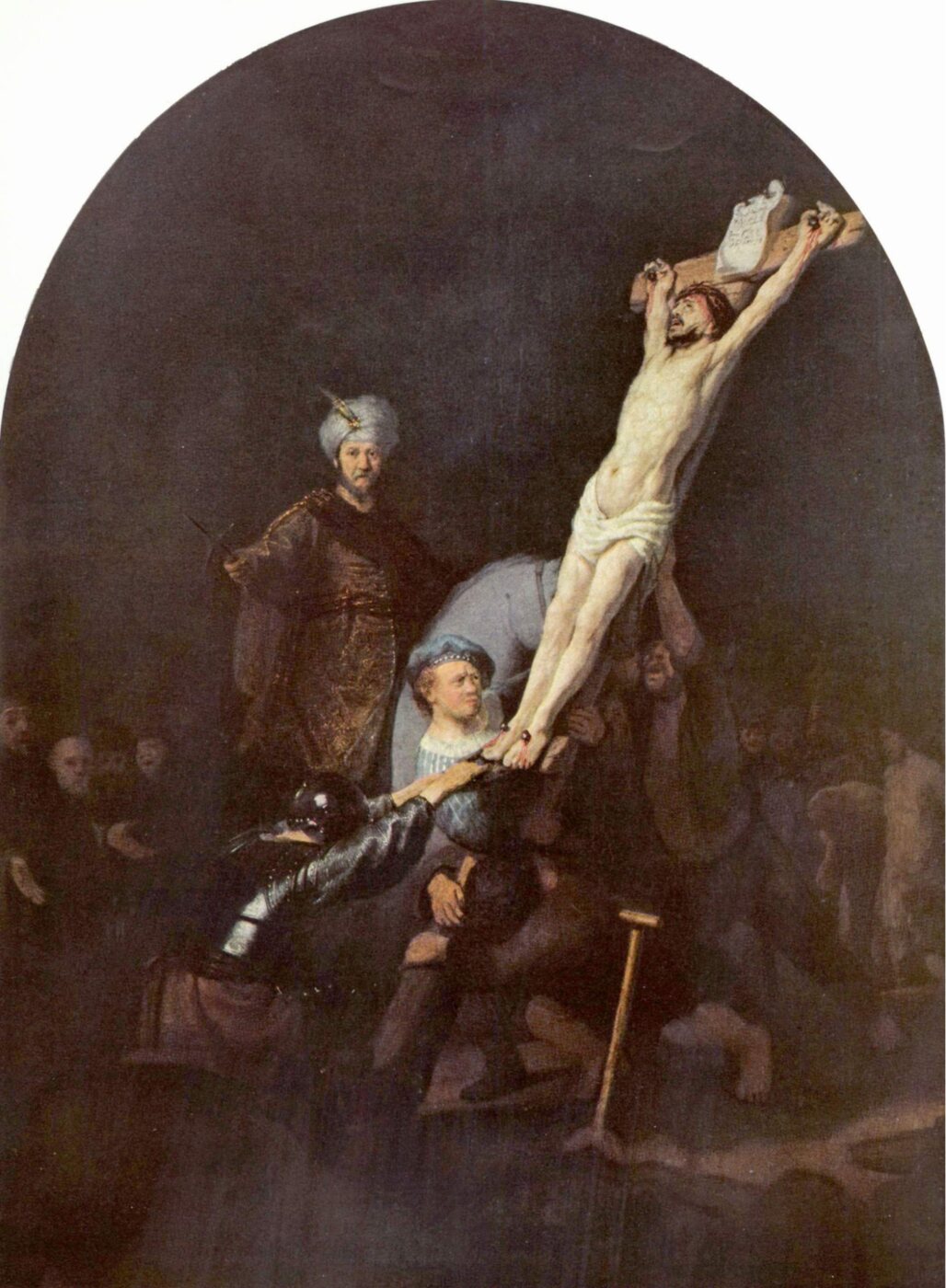
Figure 3: Rembrandt Harmensz van Rijn, The Raising of the Cross (part of the Passion Series), 1633. Oil on panel, 89.4 x 65.2 cm. Alte Pinakothek, Munich.
Rubens’ The Raising of the Cross serves as an important point of reference for Rembrandt, who in his own The Raising of the Cross (Fig. 3) selects, simplifies, and reinterprets elements.17 This becomes clear through the combination of active and passive figures, physical and emotional expression, and a layered spatial structure. Central to the composition is the body of Christ, which, as in Rubens' work, is raised diagonally across the picture plane. With this diagonal placement, Rembrandt emphasises the transition of Christ's body from an earthly to an elevated position on the cross.18 Christ is depicted as a vulnerable, relatively slender body, without the pronounced heroic physique that is central to Rubens' composition. This emphasis on physical fragility reinforces the interpretation of Christ as a suffering human being and aligns with a more devotional approach to the subject. Empathy and identification play an important role here.19 The viewer is invited to feel the physical pain and psychological burden of Christ. This empathy is essential for seventeenth-century piety. By deeply understanding Christ's suffering, the meaning of his sacrifice for the individual believer is magnified. Rembrandt developed a kind of ‘Protestant Baroque’. He adopted the dramatic devices of the Baroque, such as strong light-dark contrasts and dynamism, but applied them in a sober, restrained manner suitable for the Protestant Republic. Since Rembrandt did not have direct access to Rubens’ altarpiece in Antwerp (see p. 14), it is plausible that his knowledge of the composition was mediated by reproductive prints and earlier artistic contacts with the Southern Netherlandish tradition. In this context, both his training with Pieter Lastman (1583–1633) and the engravings of Jan Witdoeck are significant, as they were important channels through which Rubens’ visual language spread within the Republic. During his stay in Italy, Lastman had come into contact with the tradition of the history painting. He was known for his narrative compositions and dramatic design, in which influences from both Italian and Flemish painting converged.20 Figure 4 shows how Lastman paints a monumental theme from Italy with a Flemish eye for detail. This approach is also visible in Rembrandt's early history paintings, in which complex biblical events are brought together in clear, dramatically arranged compositions. Lastman's influence is manifest not so much in direct formal borrowings from Rubens, but in the conviction that monumental religious subjects could be treated within a relatively limited format. It is precisely this lesson that is relevant for the Passion Series. Like Lastman, Rembrandt concentrates on the dramatic core moment of the story, whereby a clear narrative structure must ensure the monumental effect of the depiction. Knowledge of Rubens' compositions thus connects with a visual language with which Rembrandt had already become familiar during his training.
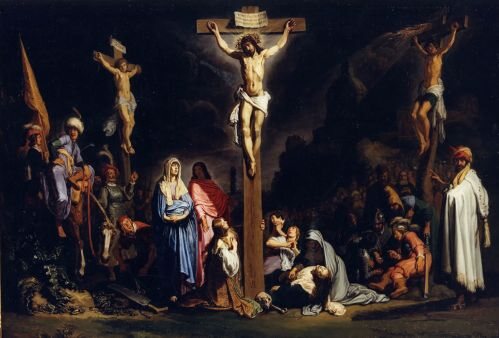
Figure 4: Pieter Lastman, The Crucifixion, 1616. Oil on panel, 91 x 70 cm. Museum Het Rembrandthuis, Amsterdam.
Although Rembrandt adopts Rubens' compositional structure, his interpretation deviates on important points. The figures in Rembrandt's painting are less heroic and more weakly modelled than in Rubens' work. The emphasis shifts from physical strength to moral and emotional involvement. This is reinforced by Rembrandt's use of chiaroscuro, which refers to the balanced interplay of light and shadow in a composition, where in this case the light is concentrated around the body of Christ, giving the composition a more self-reflective character. The inclusion of Rembrandt's own portrait within the composition, visible in the figure at Christ's feet, underscores the personal and moral dimension of the scene.21 By depicting himself as one of those involved in the crucifixion, Rembrandt positions himself as a participant in the action. This choice is often understood as a visual representation of the theological concept that humanity as a whole is responsible for the suffering and death of Christ.22
The Descent from the Cross
Rubens’ other monumental altarpiece for Antwerp's Cathedral of Our Lady is also one of the most famous interpretations of the Descent from the Cross from the seventeenth-century Baroque.23 The iconography of the painting follows the traditional depiction of the descent from the cross, an episode from the Passion of Christ that follows the crucifixion and precedes the entombment. According to the Gospel narrative, the body of Christ is taken down from the cross by Joseph of Arimathea and Nicodemus, while Mary, Mary Magdalene, and other followers of Christ witness this event.24 Rubens emphasises this iconographic structure by making the various figures clearly recognisable. Rubens’ treatment of Christ's body reflects his classical and Italian influences. The composition is once again dominated by a powerful diagonal movement of Christ's body as it is carefully lowered from the cross. Mary Magdalene is positioned at the bottom near Christ's feet, while Mary appears on the left of the composition, observing the scene with an aura of mourning. This placement of figures creates an emotional centre around the body of Christ and enhances the pathos of the scene. Rubens emphasises the physical strength of the figures supporting the body, as well as the musculature of Christ himself. As a result, movement and emotion become central to the composition.
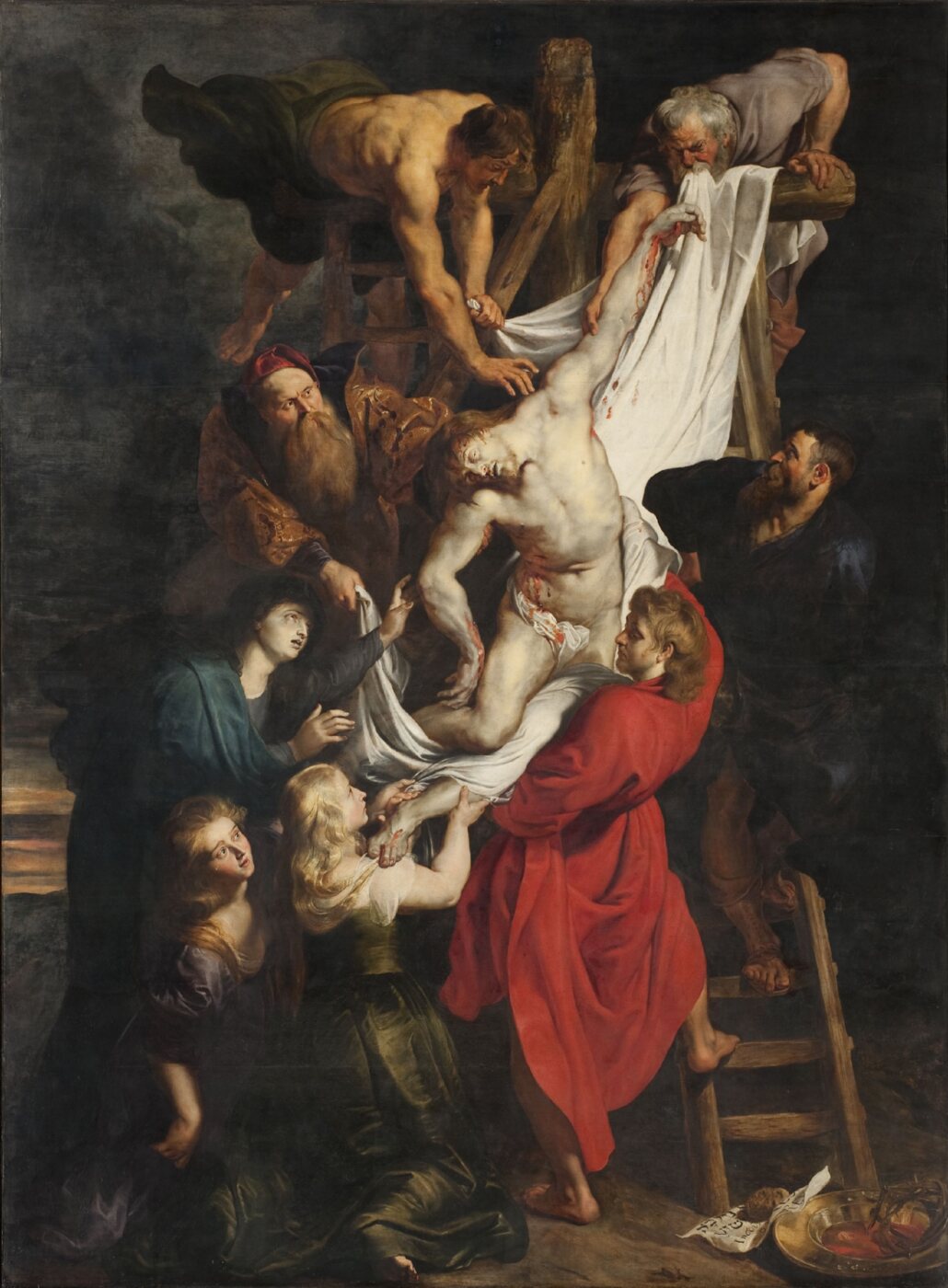
Figure 5: Peter Paul Rubens, The Descent from the Cross (central panel), 1612–1614. Oil on panel, 420.5 x 320 cm. Cathedral of Our Lady, Antwerp.
Rubens also uses a strong contrast between light and shadow to highlight the most important elements of the scene. The body of Christ is illuminated against a relatively dark background, causing it to visually come to the fore. The contrast is accentuated by the white cloth that runs diagonally through the composition, thus forming the visual focal point. This directs the viewer's eye immediately to the central figure of Christ. The body is rendered with an anatomical precision reminiscent of the idealising tradition of the Renaissance. At the same time, Rubens emphasises the physical weight of the body through the way it is supported by the figures. This combination of idealisation and physical reality contributes to the dramatic power of the painting. In the first decades of the seventeenth century, Rubens played a central role in the development of an extensive network of graphic reproductions of his paintings. Lucas Vorsterman was an engraver from Antwerp and one of the most important printmakers associated with Rubens' workshop.25 Vorsterman translated Rubens’ compositions into reproducible engravings that could be distributed in large numbers. This network was part of a conscious system through which Rubens could strengthen his artistic reputation internationally.26 Vorsterman's work should not be seen as a mere copy of Rubens’ painting, but as a graphic interpretation that made the composition suitable for reproduction and distribution.
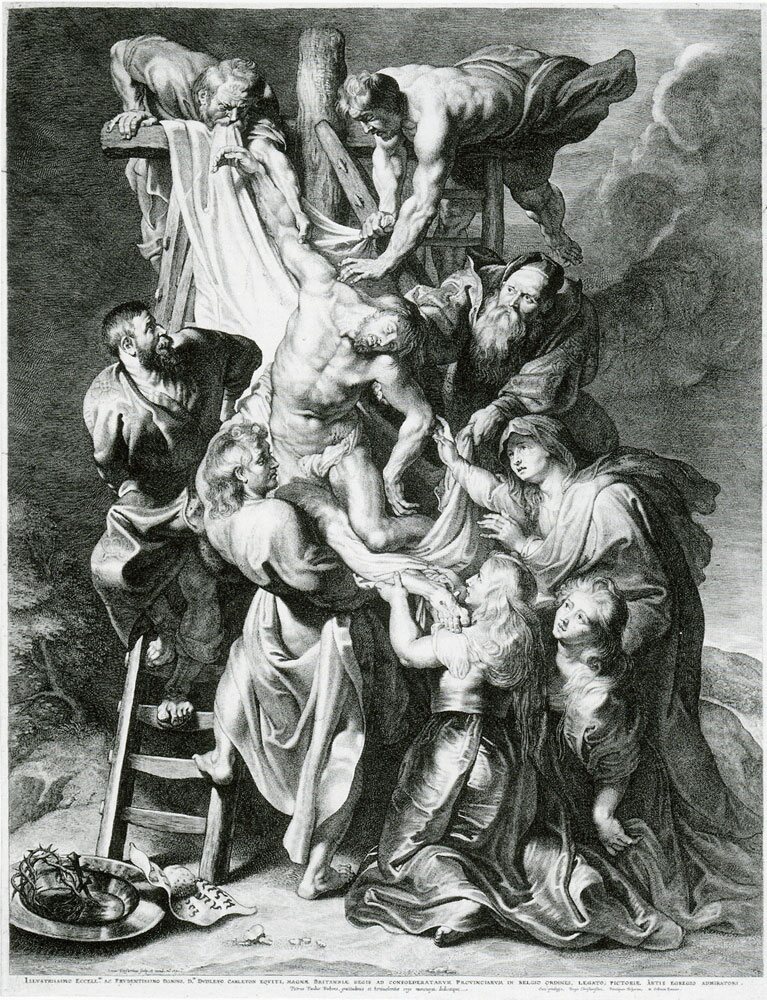
Figure 6: Lucas Vorsterman (I), The Descent from the Cross, 1620. Engraving, 585 x 435 mm. Museum Boijmans Van Beuningen, Rotterdam. After Peter Paul Rubens, The Descent from the Cross (1612–1614).
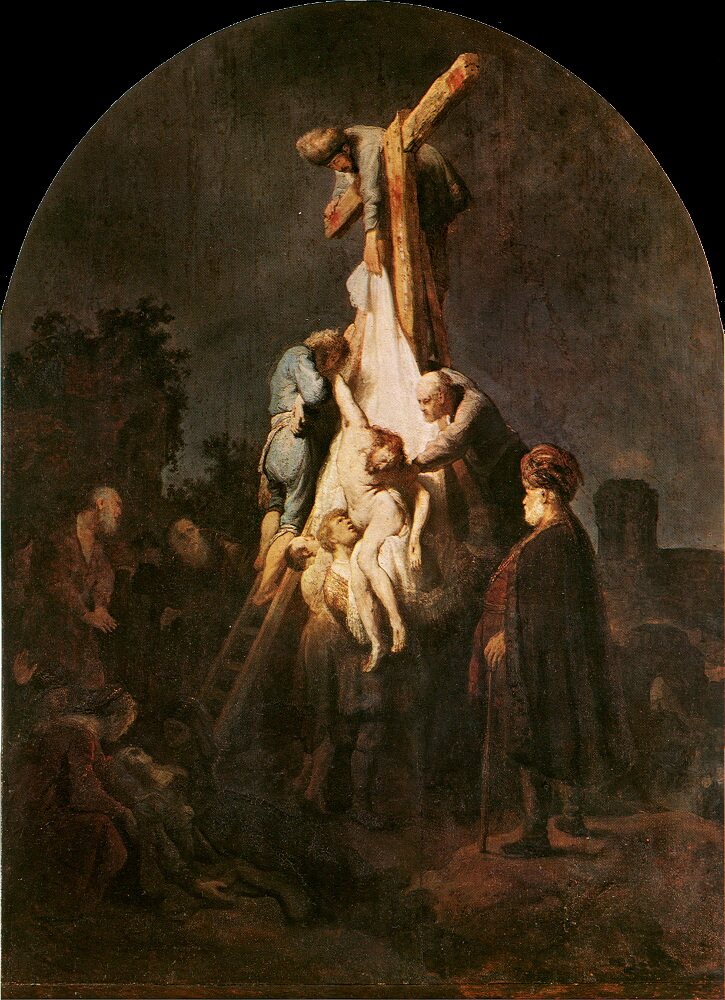
Through reproductive engravings, artists could more easily familiarise themselves with compositions by famous foreign masters without having to consult the original works directly. Reproductions thus became an essential tool for the global circulation of images and styles. Vorsterman's engraving shows clear similarities with the altarpiece in its overall compositional structure. At the same time, it should be emphasised that the engraving does not constitute a complete or exact representation of the painting. The medium of the print inevitably entails a translation, in which colour, brushwork, and certain pictorial effects cannot be directly transferred. When Rembrandt consulted Vorsterman's engraving for his own Descent from the Cross (Fig. 7), he therefore primarily adopted compositional and iconographic elements. For artists in the Republic, such prints were an important source of inspiration. While paintings were often tied to a specific location, such as a church or court, prints could be relatively easily reproduced and distributed.27 Rembrandt possessed a considerable collection of prints which he used as a source of inspiration for his own compositions.28 Vorsterman's engraving was also part of his collection, and in this case, it made it possible for Rubens’ composition to become known to Rembrandt.29 In combination with the strong compositional similarities between Vorsterman's engraving and Rembrandt's The Descent from the Cross, this documentation provides an important indication that Rembrandt was familiar with the print and consulted it in the development of his own composition. The choice of Rubens as a frame of reference was specifically aimed at the taste of his patron, Stadtholder Frederik Hendrik. The prince greatly admired Rubens, but due to the ongoing war with Spain, his access to the Flemish master was limited.30 The Eighty Years' War was raging, and political relations restricted direct artistic exchange with the Southern Netherlands. By having Rembrandt create a series that, in terms of ambition and subject matter, directly competed with the masterpieces in Antwerp Cathedral, the stadtholder was claiming his own cultural sovereignty. Rembrandt wrote in correspondence with Huygens about the progress of the Passion commission: "...daer die meeste ende die naetuereelste beweechgelickheijt in geopserveert is, dat oock de grooste oorsaeck is, dat die selvijge soo lang onder handen sij geweest.".31 Where Rubens was the standard for dynamism and movement at the time, this can be read as Rembrandt claiming a better form of movement. Rubens excelled in theatrical, heroic, and external dynamism. Rembrandt contrasted this with the "naetuereelste" (most natural) movement: sincere, believable emotion, inner feeling, and the psychological impact on the viewer. The term fits perfectly with the Protestant ethic of the Republic. By claiming that this cost him the "grooste oorsaeck" (greatest effort and time), Rembrandt consciously presented himself to Huygens as a superior master who went beyond the 'quick', external drama of the Flemish Rubensian Baroque. It confirms that Rembrandt was familiar with Rubens' international example and actively studied it. With this, Rembrandt offered Frederik Hendrik a world-class Dutch alternative.
Figure 7: Rembrandt Harmensz van Rijn, The Descent from the Cross (part of the Passion Series), 1632–1633. Oil on panel, 89.2 x 65.0 cm. Alte Pinakothek, Munich.
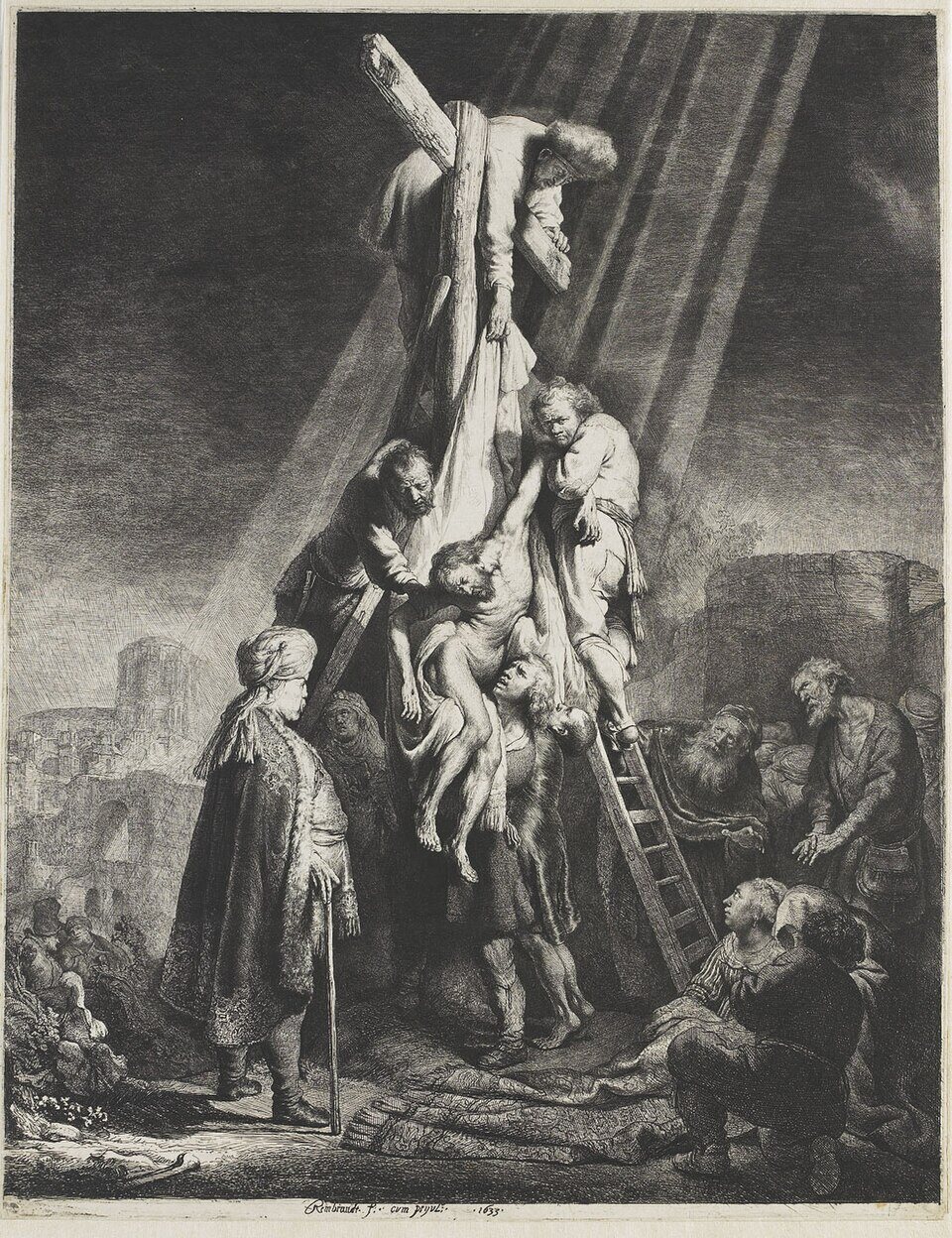
However, the presence of the engraving and correspondence alone does not prove direct influence. To assess the relationship between the two works, a comparison of their compositions is also necessary. As with Rubens, the body of Christ is guided diagonally downwards, supported by a group of figures. Yet, the dynamism of the scene in Rembrandt's work is considerably more subdued. Where Rubens creates a theatrical and heroic scene, Rembrandt once again emphasises the vulnerability of Christ's body. The figures here are also less muscular and their gestures are less spectacular. Rembrandt simplified the composition by separating figures and removing superfluous characters, such as the extra man on the cross. Light plays a crucial role in this interpretation. Rembrandt uses a strong chiaroscuro to focus the viewer's attention on the body of Christ. Strong contrasts between light and dark were applied to model forms and create a sense of volume and drama in his composition. In the case of Rembrandt's The Descent from the Cross, the body of Christ is illuminated against a dark background, creating a dramatic contrast. This lighting enhances the emotional impact of the scene and creates a sense of silence and mourning. Another important difference from Rubens’ The Descent from the Cross is the spatial organisation of the figures. Rubens creates a complex network of overlapping bodies, whereas Rembrandt places the figures more separately in space. This creates a clear hierarchy within the composition, with the body of Christ as the visual focal point. Such borrowing served not only to enhance Rembrandt's own status as an artist but also to demonstrate the cultural potential of the Dutch Republic, and the political agenda of Frederik Hendrik, to an international audience.32 In this connection, it is important to know that the works were destined for the Binnenhof in The Hague, the political centre of the Republic and the residence of Stadtholder Frederik Hendrik.33 Within this context, the paintings inevitably acquired a representative dimension that extended beyond their purely religious content. The Binnenhof was a space where diplomats, dignitaries, and other visitors moved and waited for an audience, making the paintings part of an environment where political representation and visual self-fashioning were closely intertwined. Against this backdrop, Rembrandt's visual references to internationally recognised examples, such as Rubens, can be read as elements that supported the cultural aspirations of the House of Orange. The significance of such borrowings thus lies not exclusively in an artistic dialogue with prestigious predecessors, but also in the opportunity to position the Republic and its court culture within a broader European visual and political context. Because direct sources about the precise intentions of Frederik Hendrik or Rembrandt do not exist, this interpretation must be based primarily on the interplay between visual language, general location, and representative function. Within this, a striking visual message is also conveyed by Rembrandt through the presence of figures in clothing strongly reminiscent of seventeenth-century fashion.34 Although the subject is set in biblical antiquity, Rembrandt thereby introduces a visual bridge between the Gospel story and the contemporary reality of his audience. By placing the paintings in a context that was recognisable to seventeenth-century viewers, the depiction could function as a moral message about suffering, responsibility, and devotion. In a broader interpretation, this actualisation can be read as an implicit reference to the ethic of self-sacrifice and leadership that was valued in the political culture of the Dutch Republic. In his The Descent from the Cross, Rubens maintains a sacral distance through classical, idealised garments. Rembrandt breaks this decorum with a deliberate visual bridge to the present day. He transforms the biblical drama from a historical monument into a direct, personal question of conscience for the viewer. Another noteworthy element is once again Rembrandt's own presence within the composition as the figure on the ladder, level with Christ's right arm, who is actively involved in taking Christ down. Just as in The Raising of the Cross (Fig. 3), the painter has depicted himself as a participant in the dramatic moment. In this way, Rembrandt again presents himself as both a witness and a participant in the story he has painted. By doing so, he lays a certain claim to both artistic and moral authority.35 The relationship with Rubens plays a central role in the composition. The movement of Christ's body and the positioning of the supporting figures clearly refer to Rubens. Technical analysis has shown that Rembrandt initially considered a composition that was even closer to Rubens’ model. In the underpainting of the work, Mary was originally placed in a position that strongly corresponded to that of Rubens’ Mary, reaching for Christ's arm.36 This is poorly visible in X-ray photographs but has been demonstrated through research into the craquelure and differences in the thickness of the paint layer.37 By later removing this gesture, Rembrandt created a composition that, while referring to Rubens, simultaneously constitutes an independent interpretation. Rembrandt's international ambition is also evident in his graphic activities. In the same year, he produced a large etching of The Descent from the Cross (Fig. 8). It was a print comparable in scale and ambition to Vorsterman's reproductive prints. By disseminating the subject in graphic form, Rembrandt's interpretation of the composition could also circulate within the global print market. For Rembrandt, the production of prints also had a significant influence on his reputation and the dissemination of his visual language.38 The commissioned reproductions of Rembrandt's work were a conscious instrument of cross-border artistic self-fashioning.
Figure 8: Rembrandt Harmensz van Rijn, The Descent from the Cross: The Second Plate, 1633. Etching, 53.0 x 41.3 cm. Rijksprentenkabinet, Amsterdam.
The Ascension
Titian's Assumption of the Virgin (Figure 9), which hangs in the Frari Church in Venice, is among the most influential religious paintings of the Renaissance. Giorgio Vasari (1511-1574), one of the first Renaissance art historians, described the painting in the sixteenth century as an exceptional example of monumental religious painting.39 He emphasised this allure through the application of dramatic movement and expressive power within the composition. This early appreciation contributed to the work's reputation as one of the most important altarpieces of the Italian Renaissance. The painting's worldwide reputation was further enhanced by the widespread renown of Titian's oeuvre in the early modern art world. In the seventeenth century, Titian was considered one of the most important points of reference for artists painting monumental religious subjects.40 This is evident not only from his reputation but also from concrete formal borrowings in the work of later artists. Titian's influence on Rubens's compositions is visible in the monumental structure of religious history paintings, the use of powerful diagonal compositions, dynamically arranged figures, and an emphasis on physical movement as a vehicle for drama.41
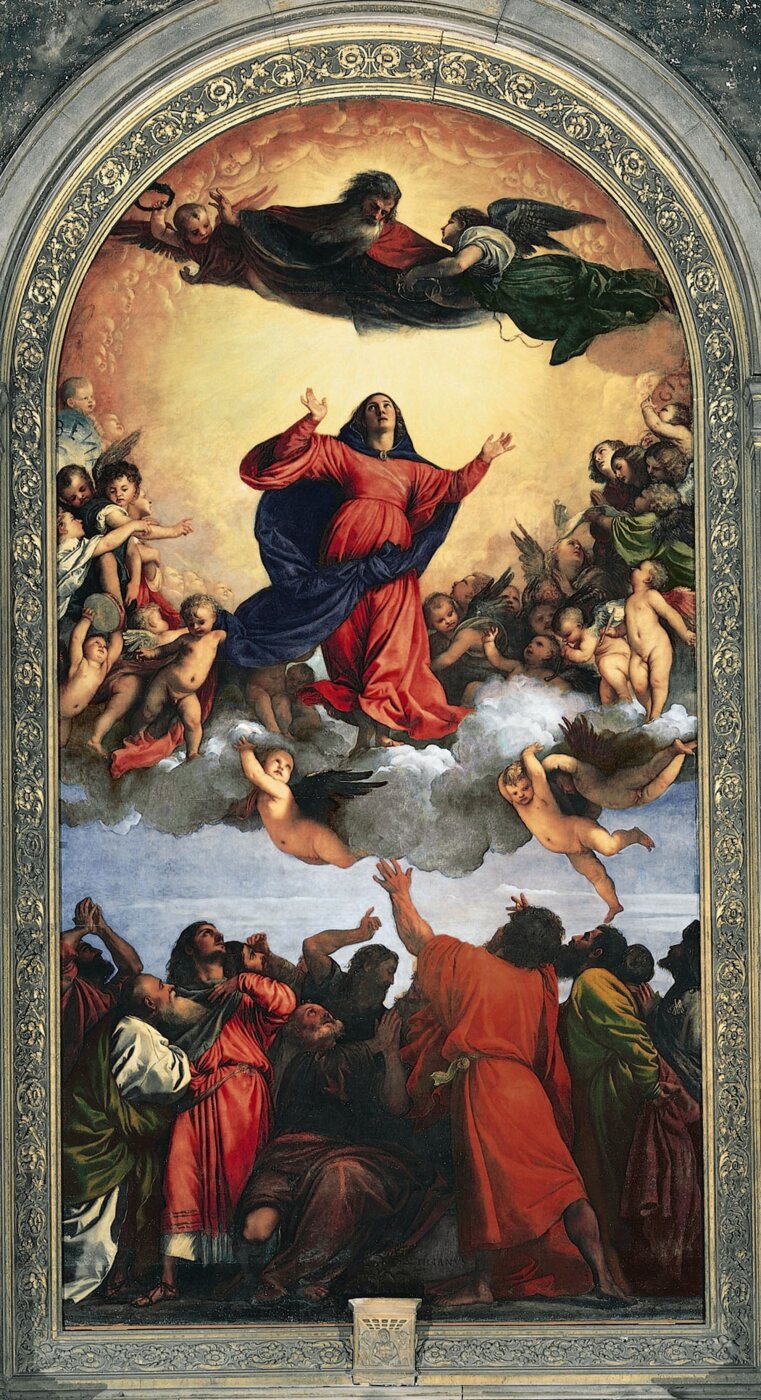
Figure 9: Tiziano Vecellio (Titian), Assumption of the Virgin (Assunta), 1516–1518. Oil on panel, 690 x 360 cm. Basilica di Santa Maria Gloriosa dei Frari, Venice.
The composition is organised around a powerful vertical movement that emphasises the ascension of the Virgin Mary to heaven. The scene is structured in three tiers. At the bottom are the apostles, who react with expressive gestures to the ascending figure of Mary. In the middle, Mary ascends to heaven, surrounded by a group of angels. At the top, God the Father appears, welcoming Mary's arrival. The dynamism of the composition is enhanced by the figures' gestures and the intensive use of colour. Mary's red and blue robes form a visual focal point that draws the viewer's attention upwards. The apostles at the bottom create a base for the composition and reinforce the scene's vertical movement. Rembrandt's Ascension of Christ (Figure 10) shows clear compositional and iconographic parallels with Titian's Assumption of the Virgin. This is plausible, as Titian's compositions were disseminated and studied by later generations of international artists.42 As in Titian's work, the scene is organised around a strong vertical axis in which a central figure ascends to heaven. The apostles at the bottom form a group reacting to the event with various gestures and poses. Besides the formal compositional similarities, there is additional historical evidence to suggest that Rembrandt was familiar with Titian's oeuvre. The estate inventory drawn up following Rembrandt's bankruptcy in 1656 reveals that his collection included a category for “all the works of Titian”.43 This confirms that Titian's visual language was present within Rembrandt's visual frame of reference. Furthermore, the Assunta had been one of Titian's most esteemed and discussed works since the sixteenth century, making it particularly likely that this composition was part of Rembrandt's collection. This, in conjunction with the formal similarities in compositional structure—particularly the monumental vertical organisation and the emphasis on upward figural movement—makes it arguable that Rembrandt could have been acquainted with Titian's visual language. The role of the patron, Frederick Henry, also becomes clear. Specifically, Rembrandt had to adapt the iconography. X-ray analysis shows that, just as in Titian's composition, he had originally painted God the Father at the top.44 Rembrandt later replaced this with a dove, which was more in keeping with Frederick Henry's Calvinist beliefs that shunned depictions of the Godhead. The paintings discussed show that Rembrandt positioned himself not only thematically, but above all compositionally and rhetorically, within an international tradition of history painting. For Frederick Henry, whose artistic preferences were strongly internationally oriented, Rembrandt offered the opportunity to develop a high-quality alternative within Dutch painting. Although the formal similarities are convincing, there is no direct evidence of a specific borrowing from the Assunta.
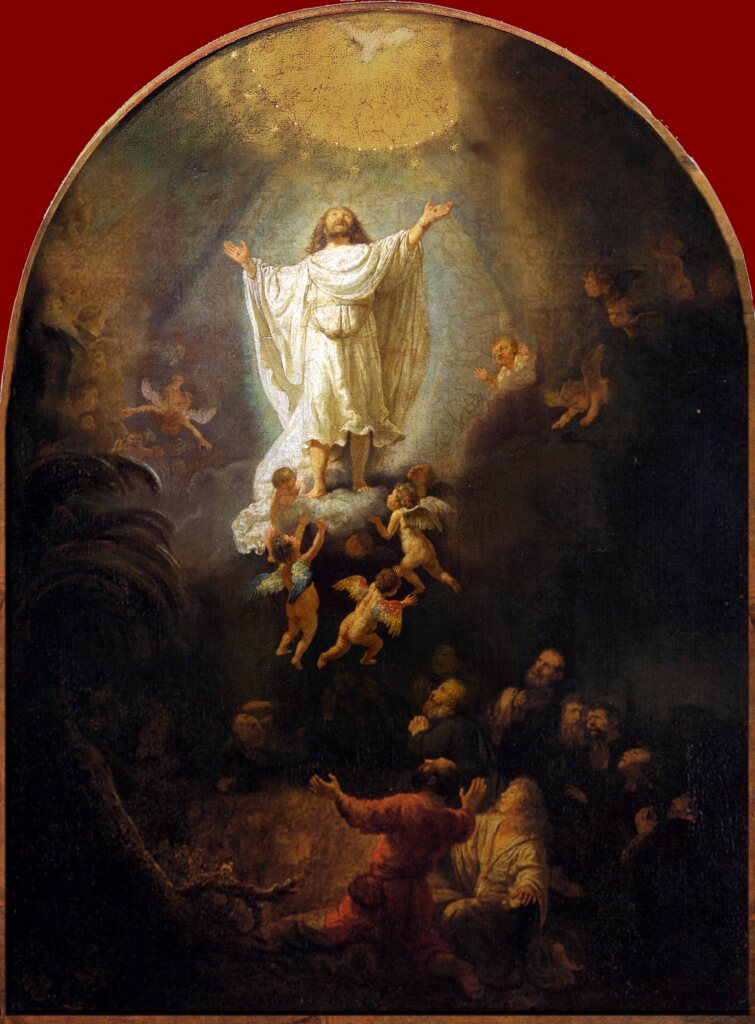
Figure 10: Rembrandt Harmensz van Rijn, The Ascension of Christ (part of the Passion Series), 1636. Oil on canvas, 92.7 x 68.3 cm. Alte Pinakothek, Munich.
Nevertheless, Rembrandt's interpretation differs from Titian's composition on important points. Whereas Titian creates a clearly structured and monumental composition, Rembrandt emphasises the dramatic contrasts between light and darkness. Christ is surrounded by an intense light that contrasts sharply with the dark background. The apostles at the bottom are individually rendered and show different reactions to the ascending Christ. Some figures look upwards, while others gesture with their hands to express astonishment or devotion. This variety in emotional responses enhances the scene's dramatic character. Through the combination of a vertical composition and dramatic light, Rembrandt creates an interpretation of the subject that refers both to the international tradition of Titian's religious history painting and to his own artistic approach to emotion and spirituality. By entering into a compositional dialogue with acknowledged masterpieces by Rubens and Titian, Rembrandt's three Passion paintings argue for their own inclusion in that exalted company.
Bibliography
Alpers, Svetlana. ‘Rembrandt’s Enterprise: The Studio and the Market.’, University of Chicago Press (1988).
Białostocki, Jan. ‘The Descent from the Cross in Works by Peter Paul Rubens and His Studio.’ The Art Bulletin 46, vol. 4 (1964), pp. 511–524.
Letter from Rembrandt Harmensz van Rijn to Constantijn Huygens, 12 January 1639. Universiteitsbibliotheek Amsterdam. https://resources.huygens.knaw.nl/watermarker/media/huygens/original/2027_uba.pdf?pos_x=10&pos_y=3&use_border=true&all_pages=true&color=20%2C20%2C20&text=%C2%A9+Universiteitsbibliotheek+Amsterdam%0AS2a%0Ahttps%3A%2F%2Fresources.huygens.knaw.nl%2Fbriefwisselingconstantijnhuygens%2Fbrief%2Fnr%2F2027&font_size=1.5%25
Bruyn, J., Haak, B., Levie, S.H., van Thiel, P.J.J. & van de Wetering, E. ‘A Corpus of Rembrandt Paintings II 1631-1634’, Stichting Foundation Rembrandt Research Project, in: ‘The Rembrandt Database’, Martinus Nijhoff (1986).
Bruyn, J., Haak, B., Levie, S.H., van Thiel, P.J.J. & van de Wetering, E. ‘A Corpus of Rembrandt Paintings III 1635-1642’, Stichting Foundation Rembrandt Research Project, in: ‘The Rembrandt Database’, Martinus Nijhoff (1986).
Chapman, H. Perry. ‘Reclaiming the Inner Rembrandt: Passion and the Early Self-Portraits.’ Nederlands Kunsthistorisch Jaarboek (NKJ), vol. 60 (2010), pp. 232–261.
Hottle, Andrew D. ‘Commerce and Connections: Peter Paul Rubens and the Dedicated Print.’ Nederlands Kunsthistorisch Jaarboek (NKJ), vol. 55 (2004), pp. 54–85.
Humfrey, Peter. ‘Titian: the complete paintings’, Harry N. Abrams, (2007).
Judson J.R. ‘The Passion of Christ (Corpus Rubenianum Ludwig Burchard, part VI)’, London/Harvey Miller (2000), pp. 161-174.
Strauss, Walter & van der Meulen, Marjon. ‘The Rembrandt Documents’, Abaris, New York (1979).
Tucker, Rebecca. ‘The Patronage of Rembrandt's Passion Series: Art, Politics, and Princely Display at the Court of Orange in the Seventeenth Century.’ The Seventeenth Century Journal, vol. 25 (2010), pp. 116-175.